 BR
South America
Brazil
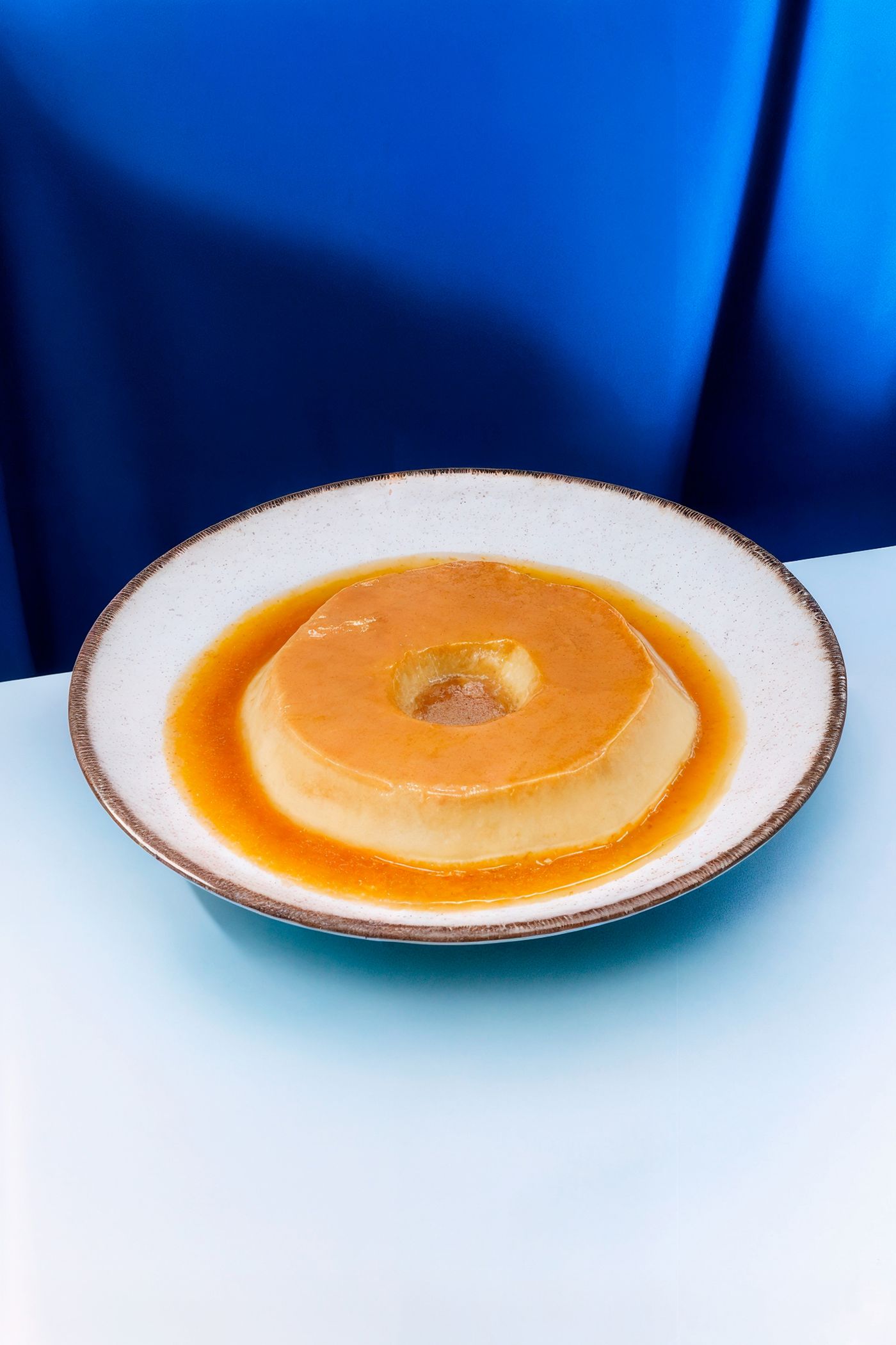
Pudim de leite condensado#03 in custards
Condensed milk gives it a creamy texture. Baked in a water bath, it is served chilled with caramel.
 OnlyFlans
A little pleasure.
Just you and a wobbly flan.
One dessert. So many ways to love it.
Five countries, five ways to linger after a meal.
A journey through highly rated flans.
Pick a destination. Help yourself to a story.
Selected flans ordered by TasteAtlas score. Ratings apply to dishes, not to countries or restaurants.
Where the data comes from ↘BRCondensed milk gives it a creamy texture. Baked in a water bath, it is served chilled with caramel.
An editorial selection of five flans from TasteAtlas Top 36 Custards, dated October 15, 2026, accessed October 22, 2026. Original ratings and positions are preserved. This is not an exhaustive flan ranking or an OnlyFlans poll. Ratings can change.
Documentary photos of each variation, not of an award-winning restaurant. Presentation may differ from the traditional recipe. Images are resized and framed for this page and retain their original licenses.
Brasil · Pudim de leite condensado · 4.3/5 · #3
Condensed milk gives it a creamy texture. Baked in a water bath, it is served chilled with caramel. ↗
Filipinas · Leche flan · 4.2/5 · #4
A staple of Filipino celebrations. Traditional metal molds called llaneras give it an oval silhouette. ↗
Perú · Crema volteada · 4.1/5 · #6
Condensed milk, evaporated milk, eggs and vanilla. Its name reveals the final ritual: turning it upside down to put the caramel on top. ↗
Francia · Crème caramel · 4.0/5 · #11
An egg custard baked in a caramel-lined mold. Chilled before unmolding: simplicity takes its time. ↗
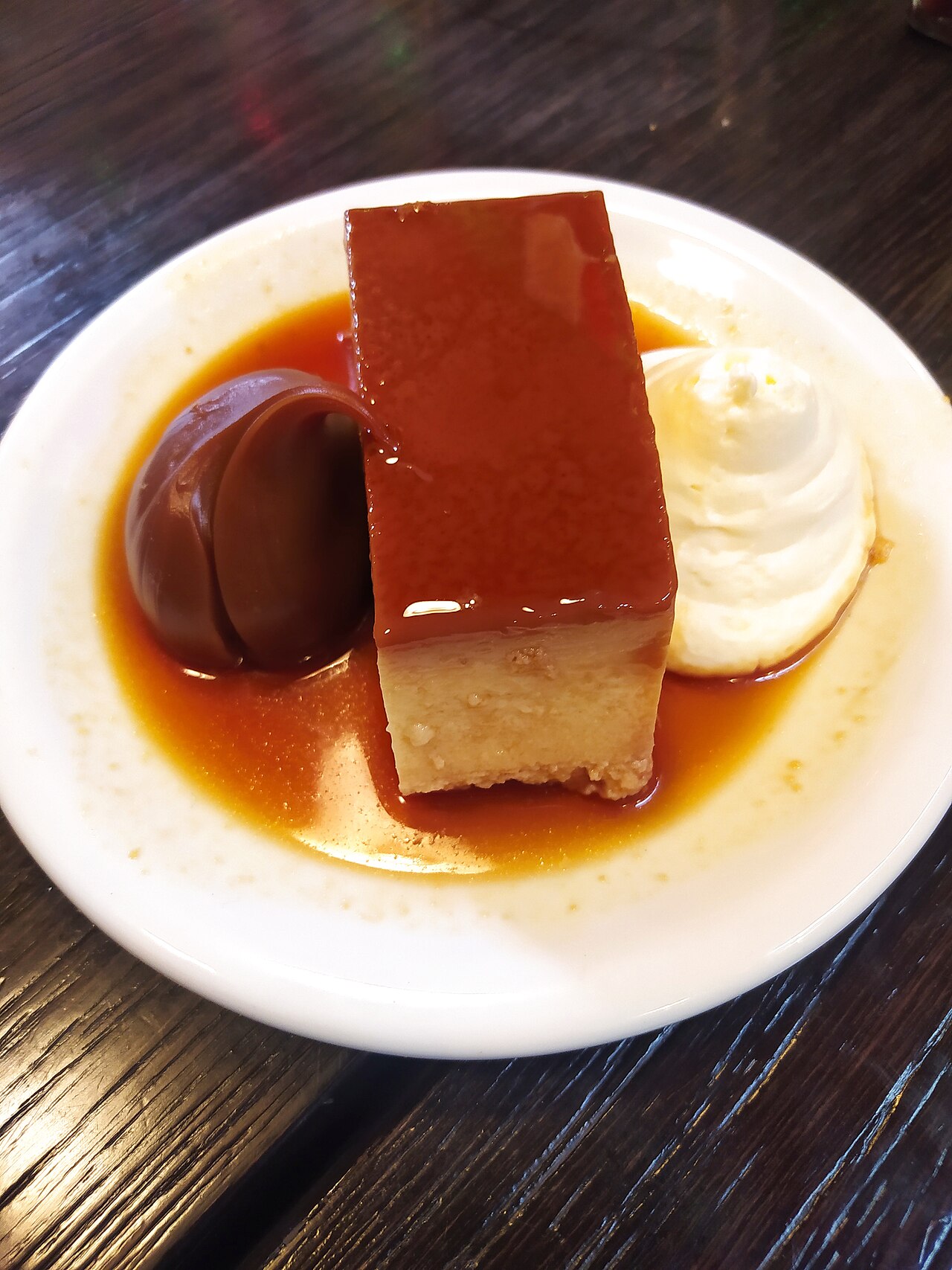
Argentina · Flan mixto · 3.9/5 · #15
Dulce de leche and whipped cream, together. The Argentine version turns dessert into a moment nobody wants to end. ↗
From cursor to spoon
Milk, eggs, sugar. And the ingredient you cannot buy: patience.
The edges should be set and the center should wobble as one, without looking liquid.
Too much air and high heat encourage holes. Mix gently and keep the water bath from boiling.
Chill it thoroughly. Run a thin knife around the edge, place a rimmed plate on top and turn it over in one motion.
One mold, approximately 18 cm / 7 inches wide.
Heat the caramel sugar with 2 tablespoons of water until amber. Coat the bottom of the mold. Do not touch it: caramel burns.
Warm the milk. Combine eggs and sugar, then slowly stir in the milk. Mix gently, add vanilla and strain.
Pour into the mold and cover with foil. Place in a baking dish with hot water halfway up the sides. Bake at 150 °C / 300 °F for 45–60 minutes, checking from 45 minutes. Timing depends on your mold and oven.
Remove from the water bath, let cool slightly and refrigerate for at least 6 hours, ideally overnight. Unmold cold onto a rimmed plate.


